Fuel
Regular meals can help organise a day around nourishment and enjoyment.
Guide · 2026
Energy is shaped by nourishment, sleep, movement, stress, relationships and health conditions.
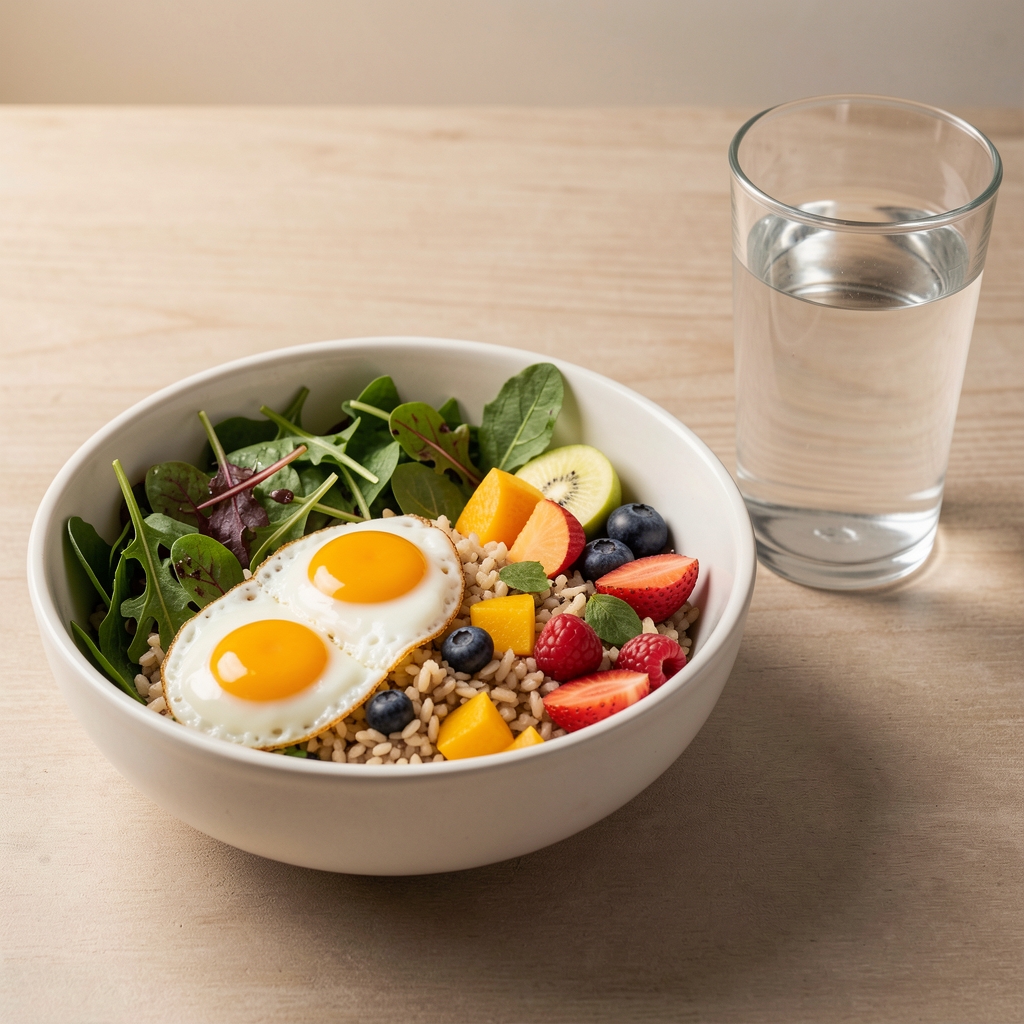

A varied meal pattern can support the body, yet persistent tiredness has many possible causes. A GP can help explore sleep problems, anaemia, thyroid conditions, medication effects and other concerns.
“A sustainable routine is more useful than a dramatic promise.”
| Area | Question |
|---|---|
| Food | What meal feels satisfying and practical? |
| Rest | What makes a regular bedtime more possible? |
| Care | Which symptoms deserve professional review? |
Read short features that connect nutrition with real life.
Open the journalEveryday vitality can be shaped by food, sleep, movement, relationships, workload, stress and access to care. It is not useful to reduce a person’s experience to one ingredient or one morning routine. Small supportive actions may include regular meals, time outdoors, gentle movement and contact with people who make daily life easier. Capacity varies, and rest is part of a sustainable rhythm.
Regular meals can help organise a day around nourishment and enjoyment.
Sleep and quiet periods create space for recovery from ordinary demands.
Shared meals, conversation and community can shape how routines feel.
| Area | Observation | Gentle prompt |
|---|---|---|
| Morning | How does the day begin? | Prepare one simple option ahead. |
| Movement | What feels accessible? | Choose duration and pace that suit capacity. |
| Food | Which meals feel satisfying? | Keep useful ingredients visible. |
| Connection | Who supports the routine? | Plan a shared moment where possible. |
“Vitality is not a performance score; it is a changing experience with many influences.”
Plenius uses a broad definition so readers can consider context as well as food.
Persistent or concerning symptoms deserve discussion with a GP or qualified professional rather than self-management alone.
A routine can contain variety. Its purpose is to reduce unnecessary decisions while leaving room for preference.
Energy and motivation can change with workload, relationships, seasons and health circumstances. A routine that feels manageable in spring may need adjustment during winter or a period of increased responsibility. The useful question is often whether an action supports the next part of the day, not whether it looks impressive on paper.
For editorial questions contact 78 High Street, Chelmsford, Essex CM1 1DE, United Kingdom, or call +44 131 496 0743. Persistent symptoms should be discussed with an appropriate professional.