Light
Notice how daylight and bright evening environments affect the transition into rest.
Guide · 2026
Energy is shaped by nourishment, sleep, movement, stress, relationships and health conditions.

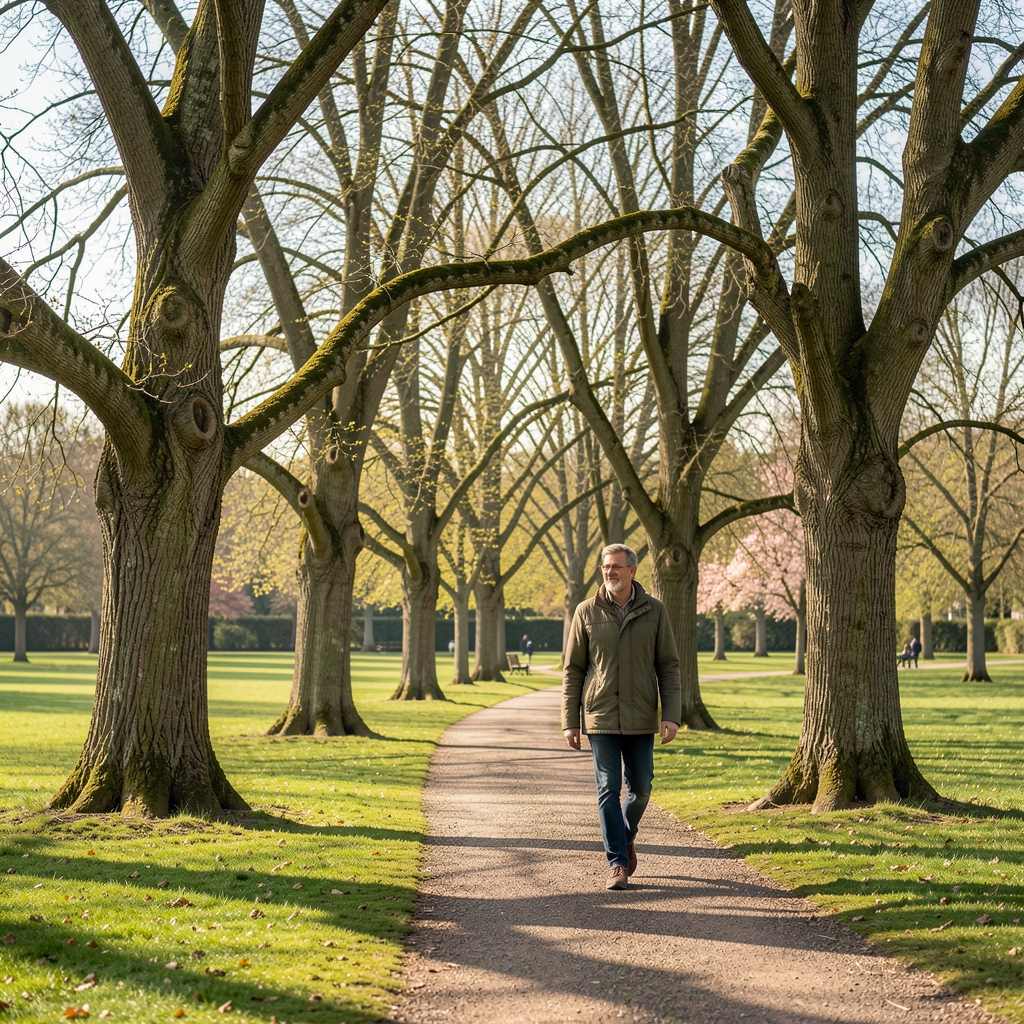
A varied meal pattern can support the body, yet persistent tiredness has many possible causes. A GP can help explore sleep problems, anaemia, thyroid conditions, medication effects and other concerns.
“A sustainable routine is more useful than a dramatic promise.”
| Area | Question |
|---|---|
| Food | What meal feels satisfying and practical? |
| Rest | What makes a regular bedtime more possible? |
| Care | Which symptoms deserve professional review? |
Read short features that connect nutrition with real life.
Open the journalSleep is influenced by light, timing, stress, environment, work patterns and individual differences. Food and drink are part of that context, but they are not the only factors. A calmer evening may come from several modest choices rather than a strict routine. People working shifts, caring for others or living with ongoing symptoms may need an approach tailored to their circumstances.
Notice how daylight and bright evening environments affect the transition into rest.
Regular waking and meal patterns can make a day easier to organise.
Temperature, noise and comfort influence whether a bedroom feels suitable for sleep.
| Factor | Possible observation | Practical question |
|---|---|---|
| Caffeine | Timing varies between people. | Would an earlier drink fit the evening better? |
| Meals | Large or late meals may feel uncomfortable for some. | Would a lighter option be more comfortable? |
| Screen use | Content can maintain alertness. | Could a quieter activity replace part of the evening? |
| Noise | Unexpected sound can interrupt rest. | What environmental change is realistic? |
“Rest is a daily context, not a badge of discipline.”
If sleep problems persist or affect daily safety and functioning, seek appropriate professional advice.
No. Work, age, family responsibilities and personal rhythm all matter.
Return to the next manageable step rather than treating one difficult night as a failure.
Sleep can be affected by pain, medication, caring duties, shift work, stress and the sleeping environment. A short observation of timing and interruptions may help a person explain the pattern to a professional, but it should not become a source of worry. Safety matters when tired, particularly for driving, operating equipment or caring for another person.
Contact Plenius at 78 High Street, Chelmsford, Essex CM1 1DE, United Kingdom, or call +44 131 496 0743 with questions about this article. The site cannot assess an individual sleep problem.