Pairing
Meals often include carbohydrate alongside vegetables, protein or other satisfying foods.
Guide · 2026
Learn how meal composition, fibre, routine and individual context can shape everyday energy.
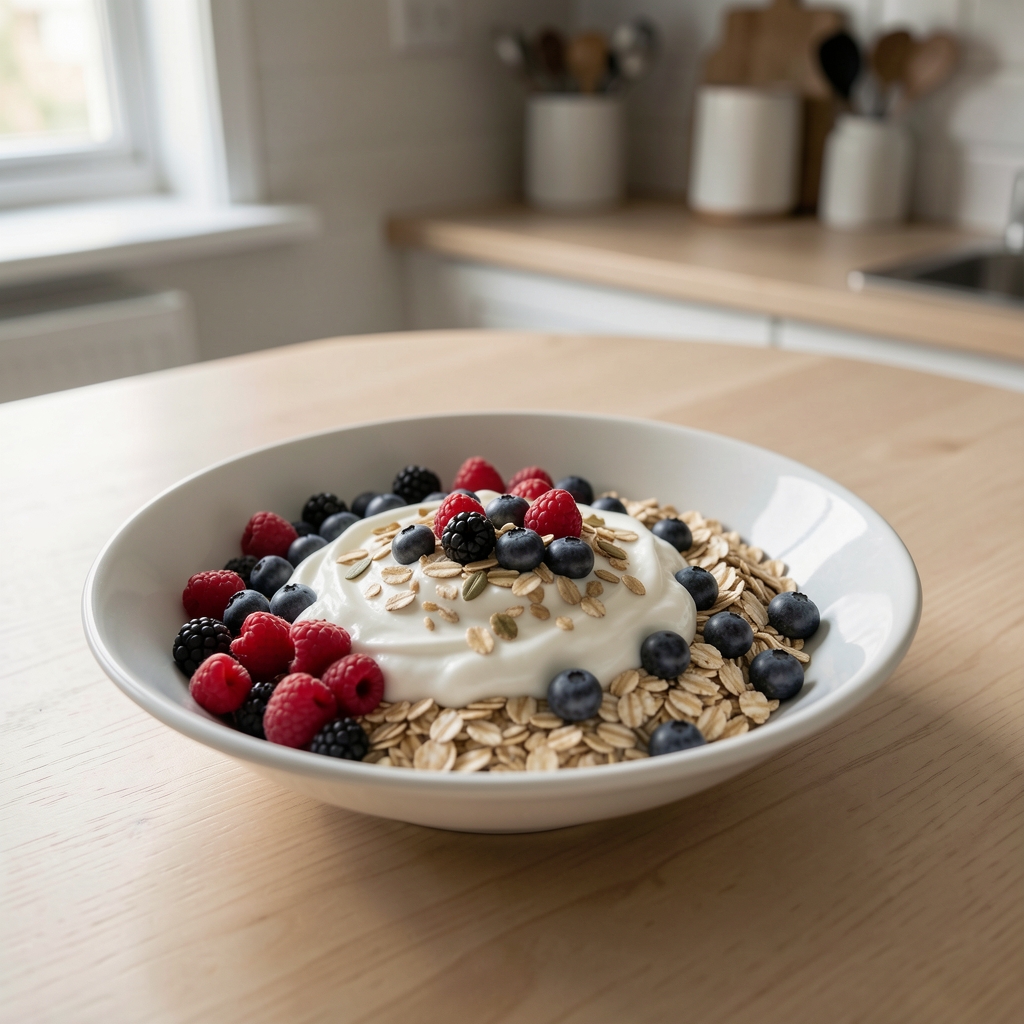
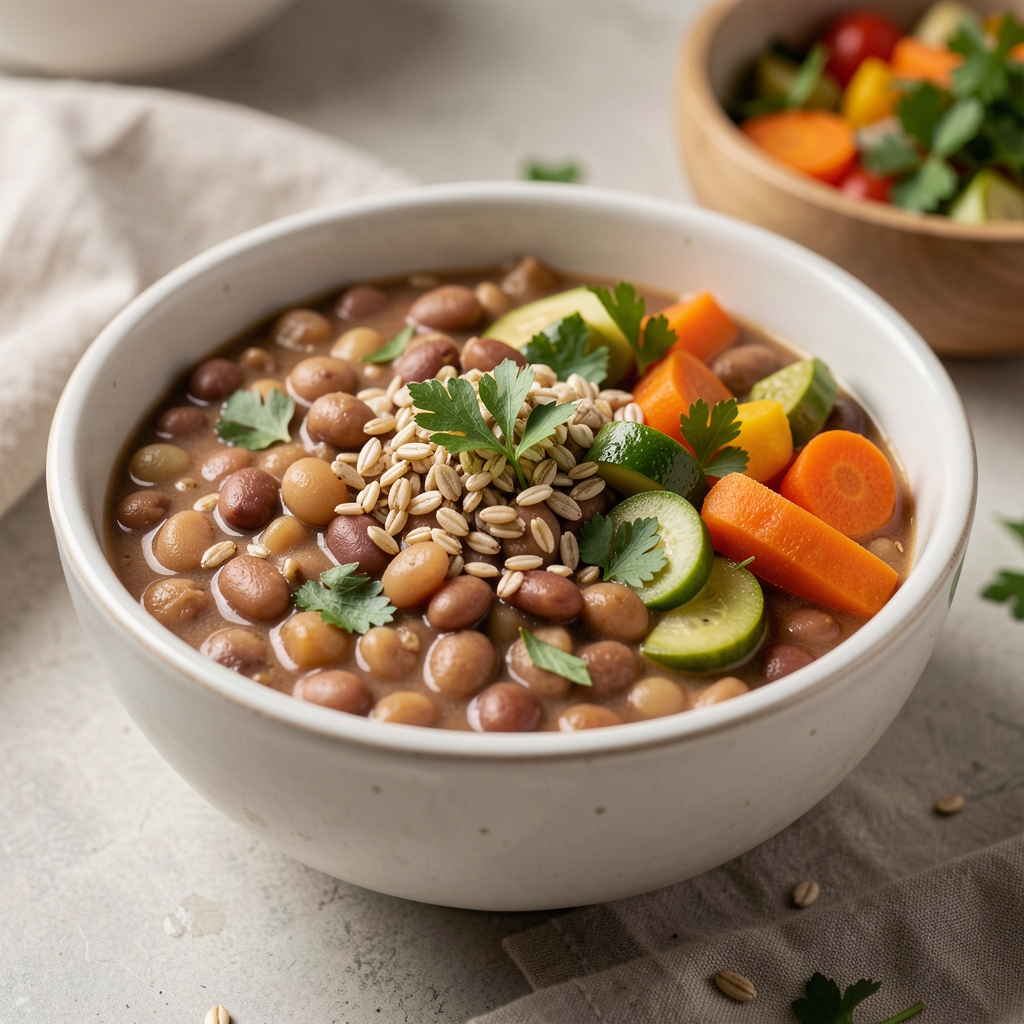
Carbohydrate-containing foods can be part of a nourishing diet. Pairing them with fibre, protein or fats may make meals more satisfying, though responses differ. Regular meals, hydration and sleep can also affect how a person feels.
If you have diabetes, take glucose-lowering medication or experience concerning symptoms, use individual guidance from your diabetes team or GP.
| Related theme | Why it matters |
|---|---|
| Fibre | Supports variety and digestive health. |
| Weight management | Considers satiety without restrictive promises. |
Choose one meal to observe and one question to discuss.
Contact PleniusBlood sugar is affected by many factors, including the type and amount of carbohydrate, meal timing, activity, sleep, stress and medication. Food combinations can be discussed as part of a broader pattern, but an article cannot replace individual monitoring or professional guidance. The same meal may suit one person and require adjustment for another. Keep any prescribed plan and use reliable advice for personal decisions.
Meals often include carbohydrate alongside vegetables, protein or other satisfying foods.
Regularity may make routines easier to notice, especially around work and travel.
Record patterns only when useful and handle personal information carefully.
| Element | Example | Planning question |
|---|---|---|
| Carbohydrate | Oats, potatoes, rice or bread | What portion fits the meal and guidance? |
| Vegetables | Fresh, frozen or tinned options | What texture and preparation are practical? |
| Protein | Beans, eggs, fish or other suitable foods | What fits preference and dietary needs? |
| Fluid | Water or a familiar drink | Is there individual fluid guidance? |
“A steadier routine begins with context, not with labelling one food as good or bad.”
Plenius provides general editorial information and does not interpret personal readings.
No. Variation can be part of a practical routine, provided it fits personal advice and preferences.
Ask a qualified professional about medication, monitoring, symptoms, pregnancy, illness or any significant dietary change.
Food patterns should be considered alongside medication, activity, sleep, stress and any monitoring plan already provided by a professional. Avoid changing prescribed treatment or making large dietary changes based on a single article. A question list can make a consultation more productive, especially when it records timing, context and practical barriers without excessive detail.
Editorial enquiries may be sent to 78 High Street, Chelmsford, Essex CM1 1DE, United Kingdom, or discussed by phone on +44 131 496 0743. Plenius provides general information rather than personal interpretation.